09/06/2026
# Looking to Sell Your House in San Diego? 10 Staging Details Buyers Notice Immediately

If you’re preparing to sell your home, it’s natural to wonder where to begin. Should you repaint? Rent furniture? Replace the landscaping? Or simply clean everything and put the property on the market?
The right answer depends on your home, neighborhood, likely buyer, budget, and timeline. Staging is not about hiding defects or making every property look identical. It is about helping buyers understand the home’s layout, lifestyle, condition, and value as soon as they see it.
That distinction matters in the San Diego real estate market, where homes can range from coastal properties and hillside residences to ranch-style homes, condominiums, and authentic Mid-Century Modern architecture. Thoughtful, property-specific preparation can make your home feel more inviting without erasing what makes it distinctive.
Here are 10 staging details buyers notice immediately.
# # 1. The entry and first impression
Buyers begin forming an opinion before they have walked through the entire home. They notice whether the entry feels clean, cared for, and easy to approach.
Start by taking a fresh look at the front door and immediate entryway. Consider:
- Cleaning the door, hardware, windows, and light fixtures
- Replacing a worn welcome mat
- Removing shoes, packages, tools, and personal items
- Adding one or two simple potted plants
- Making sure the house numbers are visible
- Clearing the walkway so the front door feels welcoming
Inside, keep the entry simple. A small console, mirror, or piece of art can help define the space, but avoid filling a narrow hallway with furniture. Buyers should be able to enter comfortably and see how the home flows.

# # 2. Decluttering and editing
Clutter makes rooms feel smaller and can prevent buyers from noticing the home itself. It also makes it harder for them to imagine their belongings in the space.
You do not need to remove every decorative item or make your home feel empty. Instead, edit each room carefully:
- Clear kitchen counters except for a few attractive, useful items
- Remove excess furniture from living areas and bedrooms
- Organize closets and cabinets so they do not appear overfilled
- Put away personal photos, paperwork, and everyday items
- Remove collections or décor that distract from architectural features
- Store toys, pet supplies, and exercise equipment when possible
Decluttering also helps professional photographers capture cleaner, more spacious images. Since many buyers first encounter your property online, this step can influence whether they decide to schedule a showing.
# # 3. Furniture scale and placement
Furniture tells buyers how a room can be used. It can also make a property feel either spacious and functional or crowded and awkward.
Large furniture in a small room may make the room appear even smaller. On the other hand, removing everything can make it difficult for buyers to understand the room’s proportions.
Try to create clear purposes and natural pathways. In a living room, arrange seating around conversation rather than pushing every piece against the wall. In a bedroom, leave enough space to move comfortably around the bed. In an unusually shaped room, use furniture to demonstrate a practical layout.
This is especially important in luxury homes, where buyers expect rooms to feel intentional. The goal is not to fill every corner. It is to show how the space supports daily life and entertaining.
# # 4. Natural light
Bright, welcoming rooms tend to make a strong impression. San Diego buyers often value homes that take advantage of the region’s natural light and indoor-outdoor lifestyle.
Before photographs and showings:
- Open blinds, shades, and curtains
- Clean windows and screens
- Remove heavy window coverings that block light
- Trim landscaping that obstructs important views
- Turn on lamps and fixtures in darker rooms
- Replace burned-out or mismatched bulbs
You can also place a mirror across from a window to reflect light into a room. Be thoughtful with window treatments, however. A home should feel bright without sacrificing privacy or comfort.
# # 5. Window treatments and views
Window treatments are easy to overlook, but buyers notice them immediately when they are dated, damaged, or too heavy for the room.
Keep curtains and shades clean, functional, and consistent with the home’s style. Hang drapery high and wide when appropriate to make windows feel larger. Remove broken blinds, tangled cords, and overly ornate treatments that compete with the architecture.
If your home has a canyon view, ocean glimpse, mature trees, or a beautifully landscaped yard, arrange the room so that the view becomes part of the experience. Avoid placing tall furniture directly in front of important windows.
# # 6. Neutral: but warm: color choices
Neutral colors help buyers focus on the home’s features rather than a particular owner’s decorating preferences. But neutral does not have to mean stark white or generic gray-on-gray décor.
Warm whites, soft taupes, gentle beige tones, natural wood, and muted greens can create a comfortable and sophisticated backdrop. Use artwork, textiles, and accessories to add restrained color and personality.
For luxury homes in San Diego, staging should complement the property’s materials and setting. A coastal home may benefit from soft natural textures, while a home with strong architectural lines may call for simpler furniture and carefully chosen artwork.
If you own an authentic Mid-Century Modern home, avoid covering its character with generic contemporary décor. Highlight features such as clerestory windows, wood paneling, open floor plans, original tile, or distinctive built-ins. The best staging makes the architecture easier to appreciate.
# # 7. Indoor-outdoor flow
Indoor-outdoor living is one of San Diego’s strongest lifestyle advantages. Buyers notice whether a patio, balcony, courtyard, or yard feels usable: or whether it appears to be an afterthought.
Clean sliding doors and screens, remove cobwebs, and make sure doors open smoothly. Then give the outdoor area a clear purpose:
- Add a small dining set to demonstrate outdoor meals
- Arrange two chairs and a table to suggest morning coffee
- Use cushions or an outdoor rug to make a patio feel finished
- Remove unused furniture, toys, tools, and storage containers
- Keep views from the main living areas unobstructed
Even a compact balcony can feel valuable when it is presented as an inviting place to sit.
# # 8. Curb appeal
Curb appeal is more than a freshly mowed lawn. Buyers notice the condition of the walkway, landscaping, exterior paint, lighting, and front door within seconds.
Prioritize improvements that create a clean, maintained appearance:
- Trim overgrown shrubs and remove dead plants
- Refresh mulch, gravel, or groundcover
- Clean driveways, walkways, and exterior surfaces
- Touch up worn trim and the front door
- Replace dated or damaged exterior lighting
- Hide trash cans, hoses, and gardening equipment
- Make sure the pathway is safe and well lit
Do not assume a major landscaping project is necessary. In many cases, thoughtful maintenance and a few strategic updates will make a stronger financial difference than a complete redesign.
# # 9. Kitchens and bathrooms
Buyers pay close attention to kitchens and bathrooms because these rooms can involve significant future expense. Staging cannot replace needed repairs, but it can help clean, functional spaces present at their best.
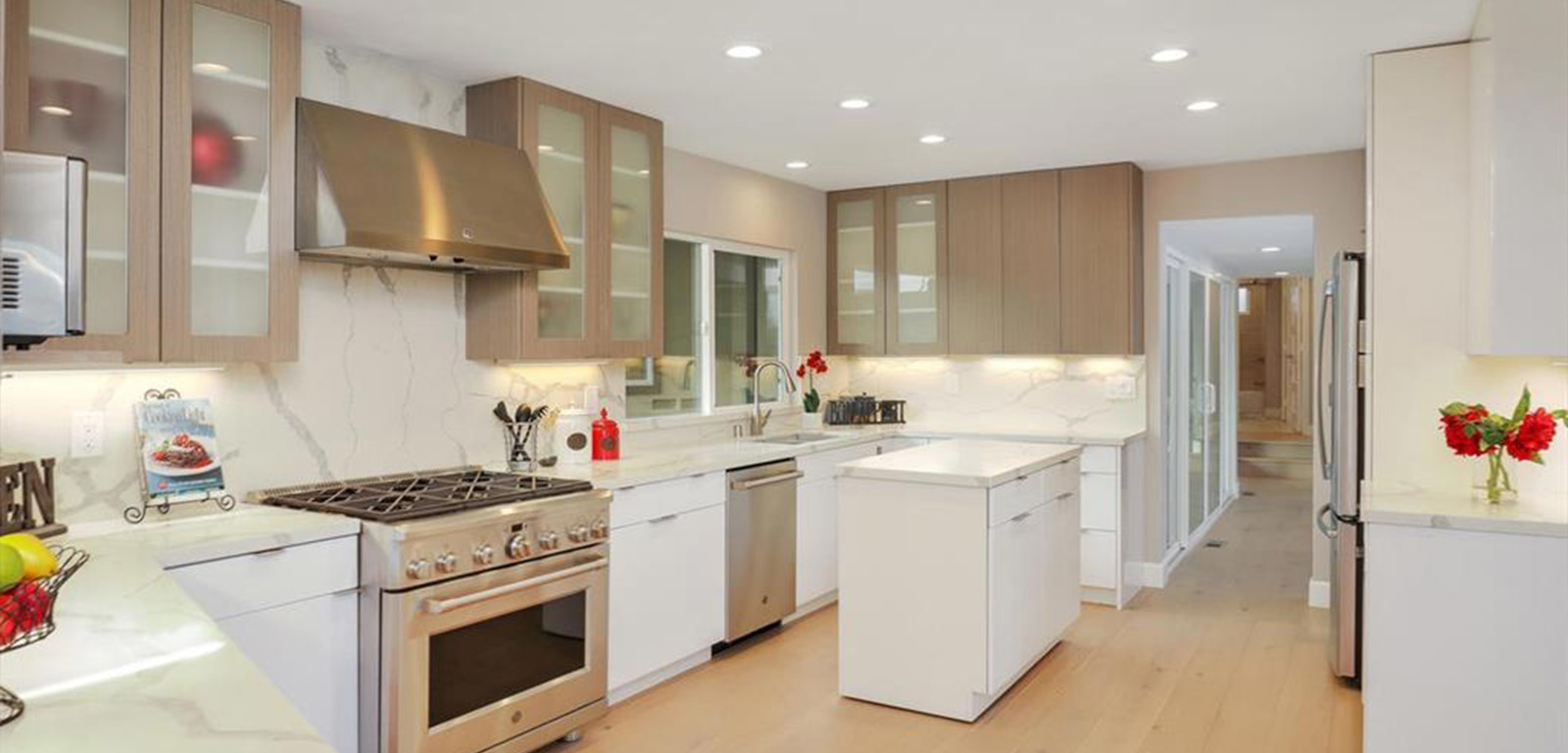
In the kitchen, clean cabinet fronts, appliances, backsplash, sink, counters, and grout. Remove magnets and paperwork from the refrigerator. Keep only a few simple items on the counter, such as a cutting board, bowl of fruit, or small plant.
In bathrooms, put toiletries away and use fresh, neutral towels. Clean mirrors, fixtures, shower glass, tile, and caulk. Replace burned-out bulbs and repair dripping faucets.
If the home has visible defects, staging should not be used to conceal them. A straightforward conversation about repairs, pricing, and buyer expectations is more helpful than a cosmetic cover-up.
# # 10. Scent, cleanliness, and online presentation
Cleanliness and scent influence buyers before they consciously evaluate the floor plan. Pet odors, smoke, strong cooking smells, and heavy air fresheners can create concern: even when the home is otherwise attractive.
Aim for a clean, neutral environment:
- Empty trash cans before showings
- Wash pet bedding and remove litter boxes when possible
- Air out the home
- Clean floors, windows, baseboards, and light fixtures
- Avoid overpowering candles or fragrances
- Address moisture or musty odors rather than masking them
Then make sure the online presentation reflects the same care. Professional photography should show the home’s best features accurately, including its light, proportions, views, and connection to outdoor spaces. Photography is not an afterthought; it is part of the first showing.
You can review the [National Association of REALTORS® consumer guide to home staging](https://www.nar.realtor/the-facts/consumer-guide-staging-your-house-for-a-sale) for additional general guidance, but every property deserves a customized plan.
# # How to prioritize staging improvements
You do not have to complete every possible project before selling. Start with a property-specific assessment.
Consider:
- **The home:** What are its strongest features, and what distracts from them?
- **The neighborhood:** What do buyers expect from comparable homes?
- **The likely buyer:** Is the property best suited to a family, downsizer, investor, or luxury buyer?
- **The timeline:** Do you have several months, or do you need to prepare quickly?
- **The budget:** Which improvements will produce the clearest visual and practical benefit?
In some homes, paint and decluttering may be the priority. In others, it may be landscaping, lighting, repairs, or carefully selected furnishings. The most valuable decision is often knowing what not to spend money on.
With nearly 25 years of experience in San Diego real estate, Neil Libin helps homeowners evaluate preparation, pricing, presentation, and negotiation as one connected strategy. His experience with luxury homes, rehabilitation opportunities, and complex sales allows him to identify improvements that support the property’s perceived value without making it look generic.
If you are thinking, “How can I sell my house in San Diego?” start with a thoughtful conversation before making major changes. Neil can help you review your options, understand how your home fits into the local market, and create a preparation plan that matches your goals.
Explore Neil’s [seller resources](https://neillibin.com/sellers/), request a [home valuation](https://neillibin.com/home-valuation/), or [contact Neil directly](https://neillibin.com/contact/) for personalized guidance. With the right preparation, you do not have to lose the character of your home to make a strong first impression.











